By the Samos-Island.com editorial team · · How we work
Short answer
Five things matter most on Samos. Travel in June or September if you can. Rent a car for the west coast and mountain villages. Carry some cash beside your card. Check your entry rules with an official source. Book flights, cars and tours early for July and August.
Samos is easy once you understand three things: it is mountainous, it is seasonal, and its west coast is far from the airport. The points below are grouped by topic. Each starts with the rule in bold, then the reason.
Time-sensitive details (prices, timetables, entry rules) change. Confirm them with an official source before you travel.
Summarize this article with:
What should you know about money on Samos?
- Use euros, carry some cash and tip by rounding up. Cards work in most hotels, restaurants and shops in the towns, and the main towns have ATMs. Village tavernas, beach bars, buses and small shops may not take cards. Tipping is not compulsory: rounding up or leaving around 5 to 10% at a taverna is typical, and a small per-person charge for bread is normal.
- Expect lower prices than in the Cyclades, except in August. Samos is generally cheaper than Santorini or Mykonos. August is the most expensive month for hotels and cars. See is Greece expensive.
What should you know about getting around?
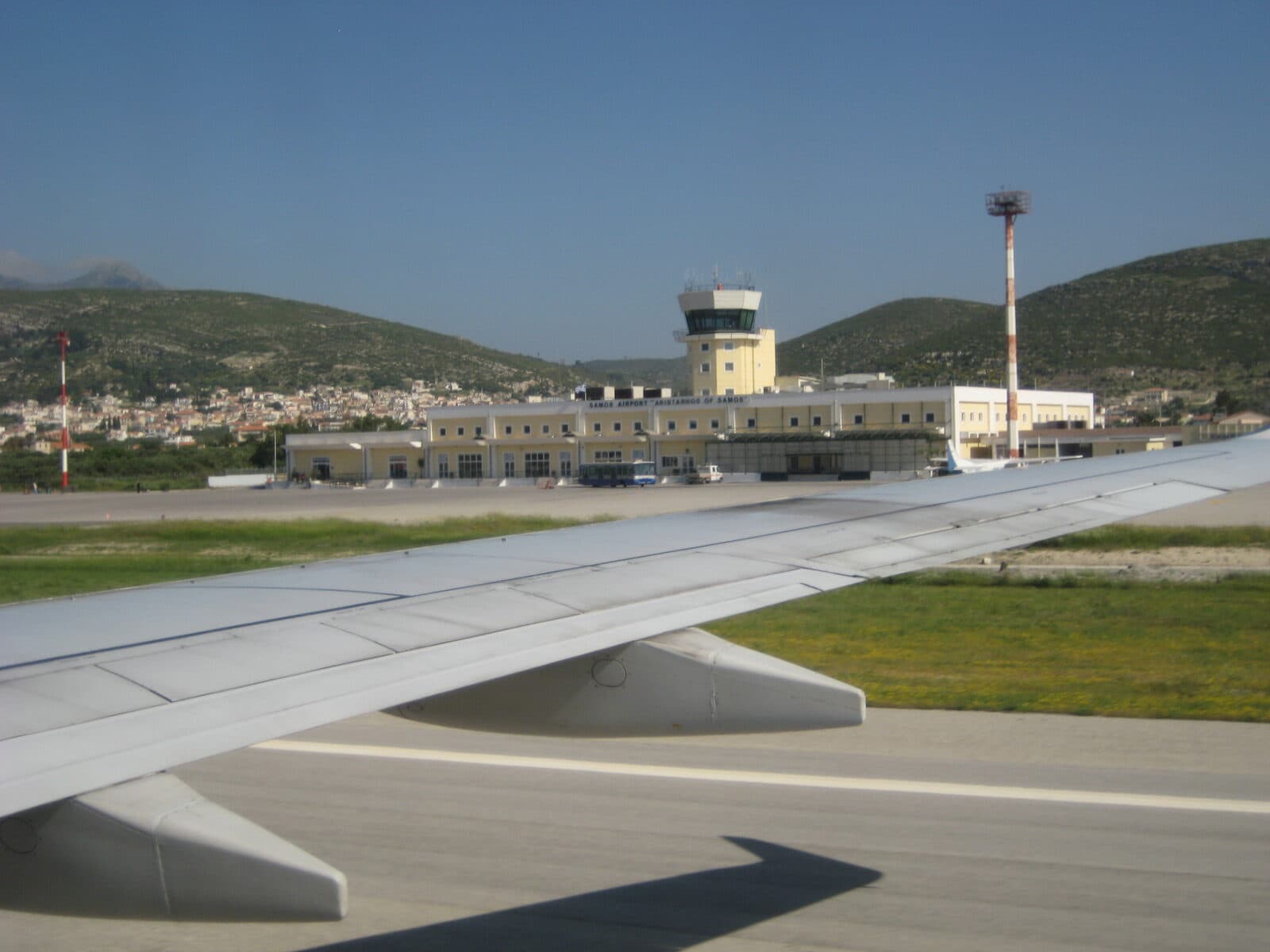
- Add time to every drive. Samos is mountainous, and crossing it from east to west takes roughly an hour or more. From the airport, Pythagoreio is about 10 minutes, Kokkari 30 to 40 minutes and the west coast 45 to 60 minutes.
- Rent a car for the west coast and mountain villages. On the east coast a short stay works with taxis and tours. For Manolates, Marathokampos or Mount Kerkis a car is effectively essential. Drive on the right.
- Check your rental insurance for mountain and unpaved roads. Some standard policies exclude them. Bring your driving licence, and an International Driving Permit if yours requires one. Narrow, winding mountain roads and scooters are where most accidents happen, so take your time and wear a helmet.
- Do not rely on buses and taxis. The KTEL bus is infrequent, especially on the west side and on Sundays. Taxis add up over distance, so agree the price before you set off.
What should you know about seasons and weather?
- Peak season is July and August. It is hot, dry and busy, with the warmest sea and the most ferries and flights, but also the highest prices. June and September give similar weather at lower prices.
- Expect closures from November to March. Many hotels, tavernas and tour operators close for winter, and some small family-run properties stay shut into April. Check that what you want is open.
- Plan for the meltemi. Strong summer winds can create rough water and delay or cancel Aegean sailings. Kokkari's bay is windy on summer afternoons. Never schedule a ferry the same day as a flight home.
- Hike in spring or autumn, and early in summer. Trails can be poorly marked with little water. Mount Kerkis (1,434 m) is a serious full-day hike. The Potami Waterfalls flow best after wetter months and can be thin by late summer.
What should you know about health and safety?
- Carry health cover and know the number 112. EU and UK visitors can use EHIC or GHIC, and everyone should carry travel insurance. 112 works across the EU. Pharmacies carry a green cross, and the main hospital is in Vathy.
- Protect yourself from sun and fire risk. The strongest sun is at midday in July and August, so cover up and drink water. Summer fires are a risk across Greece: follow local instructions and never light fires outdoors.
- Pack for pebbles and urchins. Tsamadou and Lemonakia are pebble beaches, and sea urchins live on rocky shores. Water shoes help. Many beaches have no facilities, so bring water and shade.
Official sources first
Samos has a low crime rate and is one of the safer Greek islands, but rules and advice change. For entry rules, health and safety, check your own government's travel advice and the sources listed below.
What should you know about etiquette and culture?
- Cover shoulders and knees in churches. Samos is Greek Orthodox, and churches and monasteries expect modest dress and quiet.
- Eat late, and expect quiet afternoons. Lunch is often late and dinner rarely starts before 8 or 9 pm. Shops in smaller places may close in the afternoon, and Sundays and religious holidays such as 15 August are quieter.
What should you know about booking and timing?
- Book flights first, then accommodation. Direct flights from northern Europe are mostly seasonal and routes change year to year. Check what is scheduled for your dates. Outside summer you usually connect via Athens.
- Book tours and cars early for July and August. The tours page lists boat trips and tours rated 4.5 stars or above on GetYourGuide. Check live price and availability on each listing.
- Treat the Athens ferry as a long day. The conventional crossing from Piraeus is commonly 9 to 14 hours, and faster services run less often, mostly in summer. Consider a cabin on an overnight sailing.
- Plan a Turkey day trip with your passport. A seasonal passenger ferry links Pythagoreio and Vathy to Kusadasi in around 1 to 1.5 hours, the gateway to Ephesus. Check Turkish entry rules for your nationality first.
What practical details are easy to miss?
- Bring a European plug adapter if needed, and expect English in tourist businesses. Electricity is 230 V with European two-pin plugs (Type C/F). English is widely spoken in hotels, restaurants and tourist businesses, less consistently in mountain villages, where a few Greek words (kalimera, efharisto) are appreciated.
What should you check before you book?
| Topic | What to check | Where |
|---|---|---|
| Entry rules | Passport validity and your nationality's visa position (Schengen rules apply) | Official sources below, then getting there |
| Health cover | EHIC or GHIC if eligible, plus travel insurance | Official sources below |
| Flights and ferries | Which routes run on your dates, and a buffer before flights home | Getting there |
| Base and area | Distance to the airport and whether you will have a car | Where to stay |
| Car rental | Insurance for mountain and unpaved roads, licence and permit | Getting there |
| Season | Which businesses are open, and wind and heat | Best time to visit |
| Budget | Realistic daily costs and the August premium | Is Greece expensive |
| Itinerary | How many days and which areas | Itineraries |
Frequently asked questions
Samos is mountainous, seasonal and has a west coast 45 to 60 minutes from the airport. Rent a car for the west, carry some cash, avoid August if price matters and confirm entry rules with an official source.
Carry some. Cards work in most hotels, restaurants and shops in the towns, but village tavernas, beach bars, buses and small shops may not take them.
For the west coast, the mountain villages and Mount Kerkis, yes. For a short stay on the east coast, taxis and organised tours are enough.
June and September combine warm sea, reliable sun and lower prices than July and August. Many businesses close from November to March.
It has a low crime rate and is one of the safer Greek islands. The practical risks are sun, mountain roads, summer wildfires and rough water in strong wind.
Greece is in the Schengen area. Rules depend on your nationality and change, so check your own government's advice and the official EU sources before you book.
Sources and further reading
Tours that fit this plan
See all tours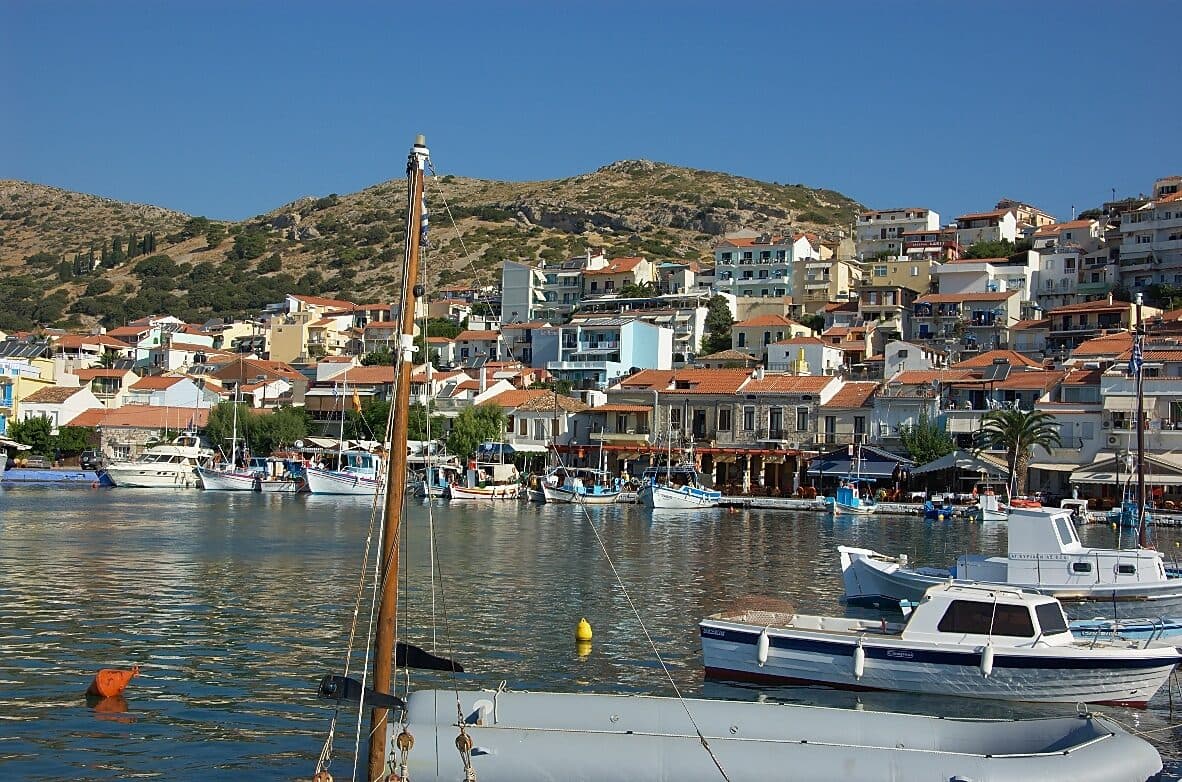 Top pickfrom US$58
Samos: East Coast Boat Trip with Lunch and Drinks
- Samos' best-reviewed boat trip on GetYourGuide
- Lunch and drinks included, swim stops along the east coast
Best for: First-timers, anyone who wants one easy, well-reviewed day out
Check price & availability →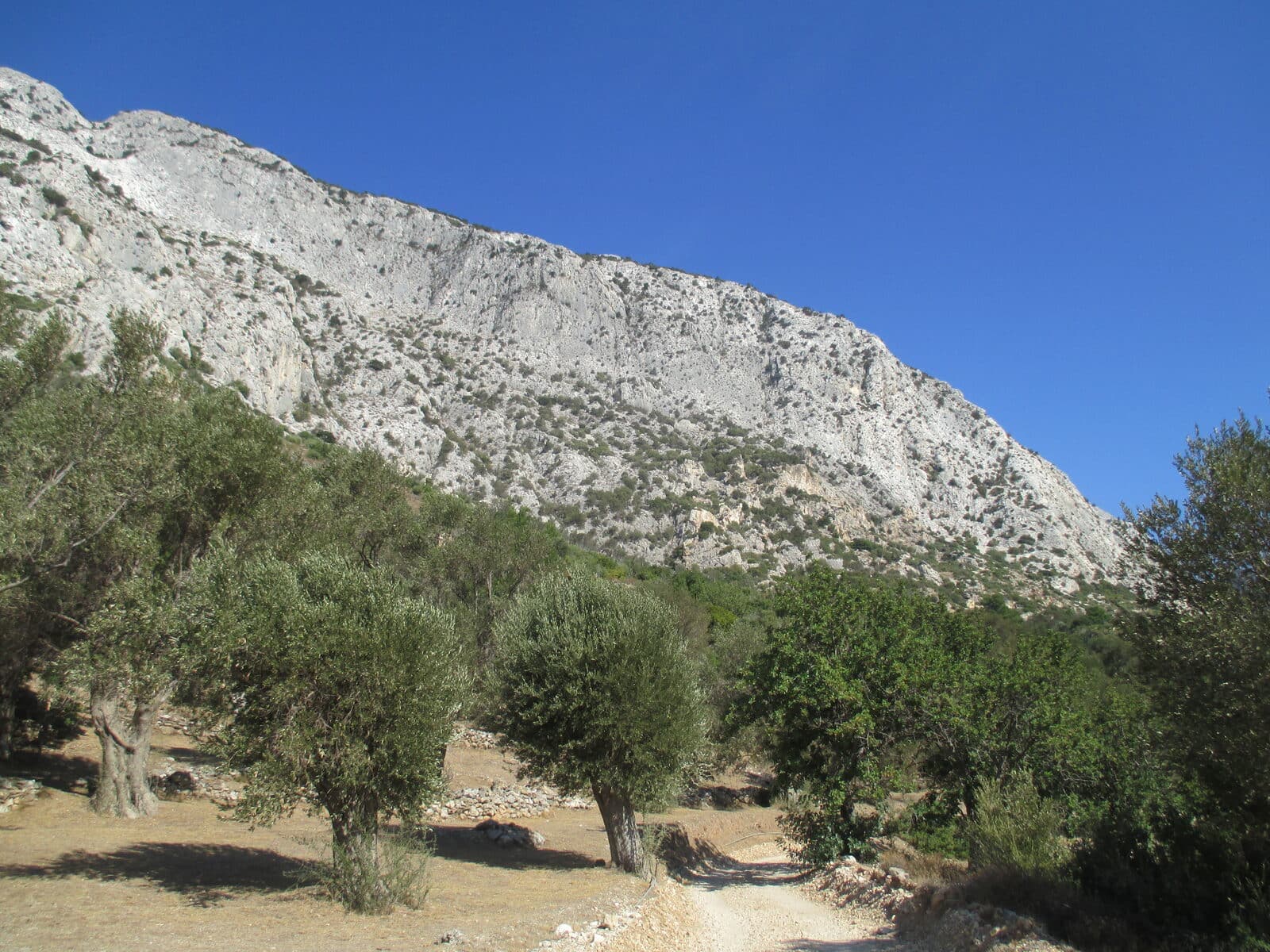 Full-day tourfrom US$69
Samos: Full-Day Island Bus Tour (Starting from West Samos)
- Focuses on the quieter west coast: Karlovasi, Manolates, Mount Kerkis foothills
- A guided loop with hotel pickup included
Best for: First-timers who want the west coast highlights in one organised day
Check price & availability →€5 free + 5% cashback
Join Igraal, then get cashback on every GetYourGuide booking above.
Keep planning
Getting there
Flights, ferries and entry rules
Best time to visit
Month-by-month weather and crowds
Is Greece expensive?
A realistic Samos budget
Where to Stay
Compare hotels by area, with live prices
Still have a question? Browse every Samos FAQ →
Related guides
- Getting to SamosFlights, ferries, drive times and car advice
- Best time to visitMonth-by-month weather and crowds
- Full travel guideFood, safety, packing and a sample week
- Samos itineraries: 3, 5 and 7 daysDay-by-day plans
- Is Greece expensive?A realistic Samos budget
- Editorial standardsHow Samos-Island.com researches and earns