
Summarize this article with:
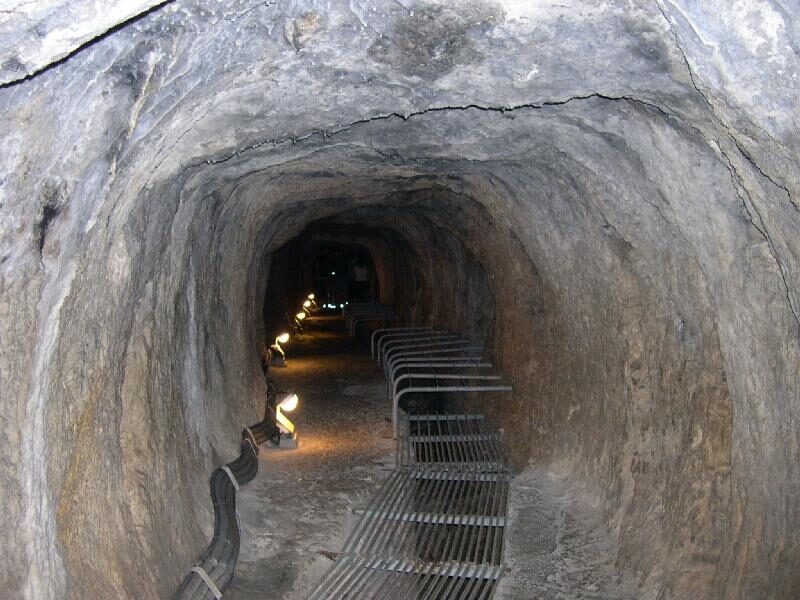
The Eupalinos Tunnel is a 1,036 m aqueduct cut through Mount Kastro in the 6th century BC, when the ancient city of Samos, today's Pythagoreio, had outgrown its wells and its main spring lay beyond the mountain. The engineer Eupalinos, son of Naustrophos of Megara, drove two teams from opposite ends until they met inside the rock. Because it ran underground, an enemy could not easily find it or cut off the city's water. It is part of the UNESCO World Heritage site of Pythagoreion and Heraion of Samos (1992) and an International Historic Civil Engineering Landmark (2017). Inside, the passage averages 1.80 m high and wide, but narrows to 0.42 m in places.
What to see and do
- 1The tunnel itself: the headline attraction: the whole 1,036 m passage, on a 0.6% gradient, 180 m under the mountain top.
- 2The engineering story: the southern half was dug larger through more stable rock, while parts of the northern half are too narrow for one person; a parallel trench deepens from 3.80 m at the north to 8.90 m at the south.
- 3The source and cistern at Agiades: the route ends at Agiades, where you can visit the spring and cistern; water came through an 890 m underground clay pipe fed by a reservoir supplying 400 m³ a day.
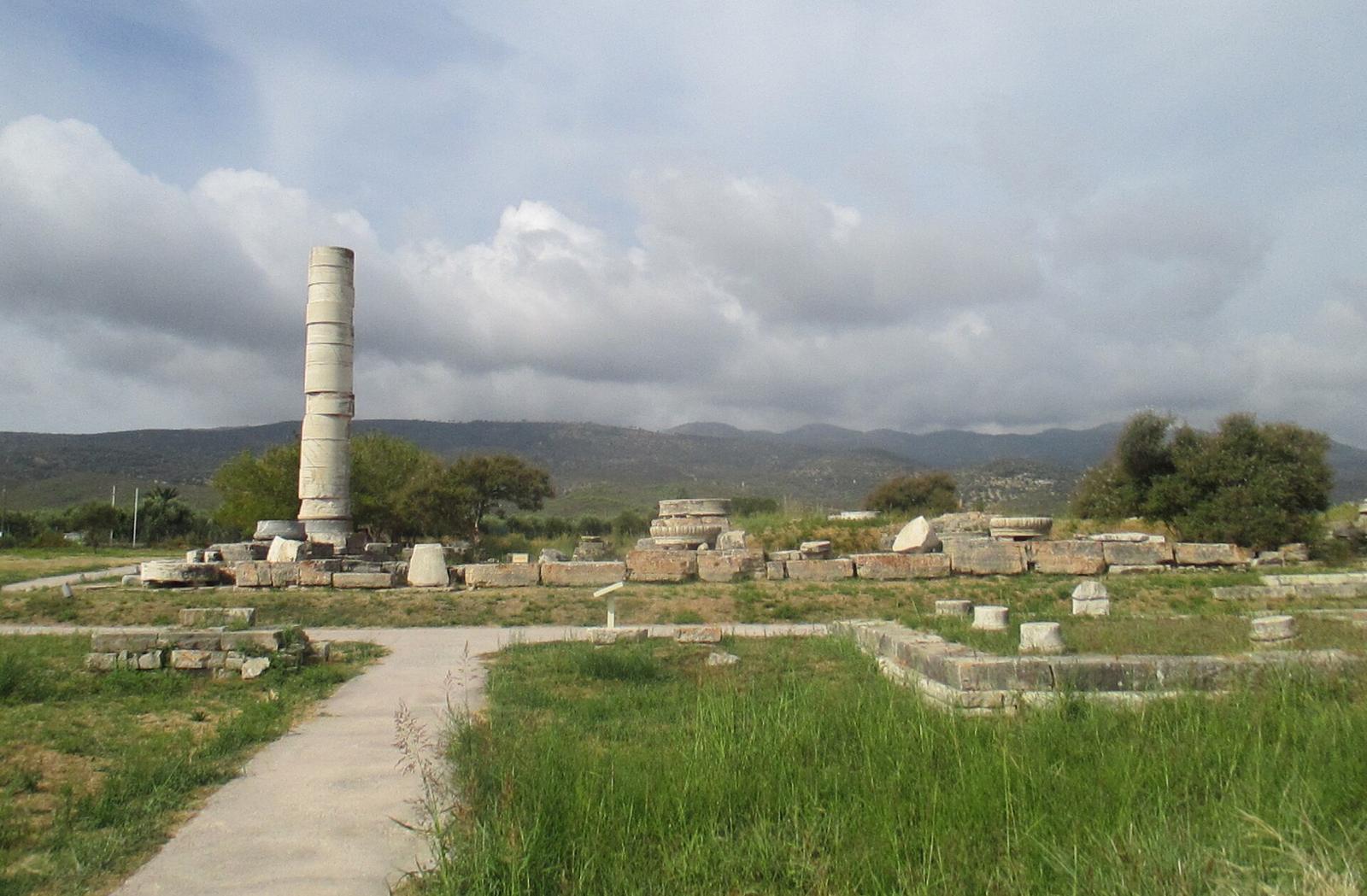
- 4The age of Polycrates: the tunnel belongs to the age of the tyrant Polycrates, which also produced the Temple of Hera and the harbour mole.
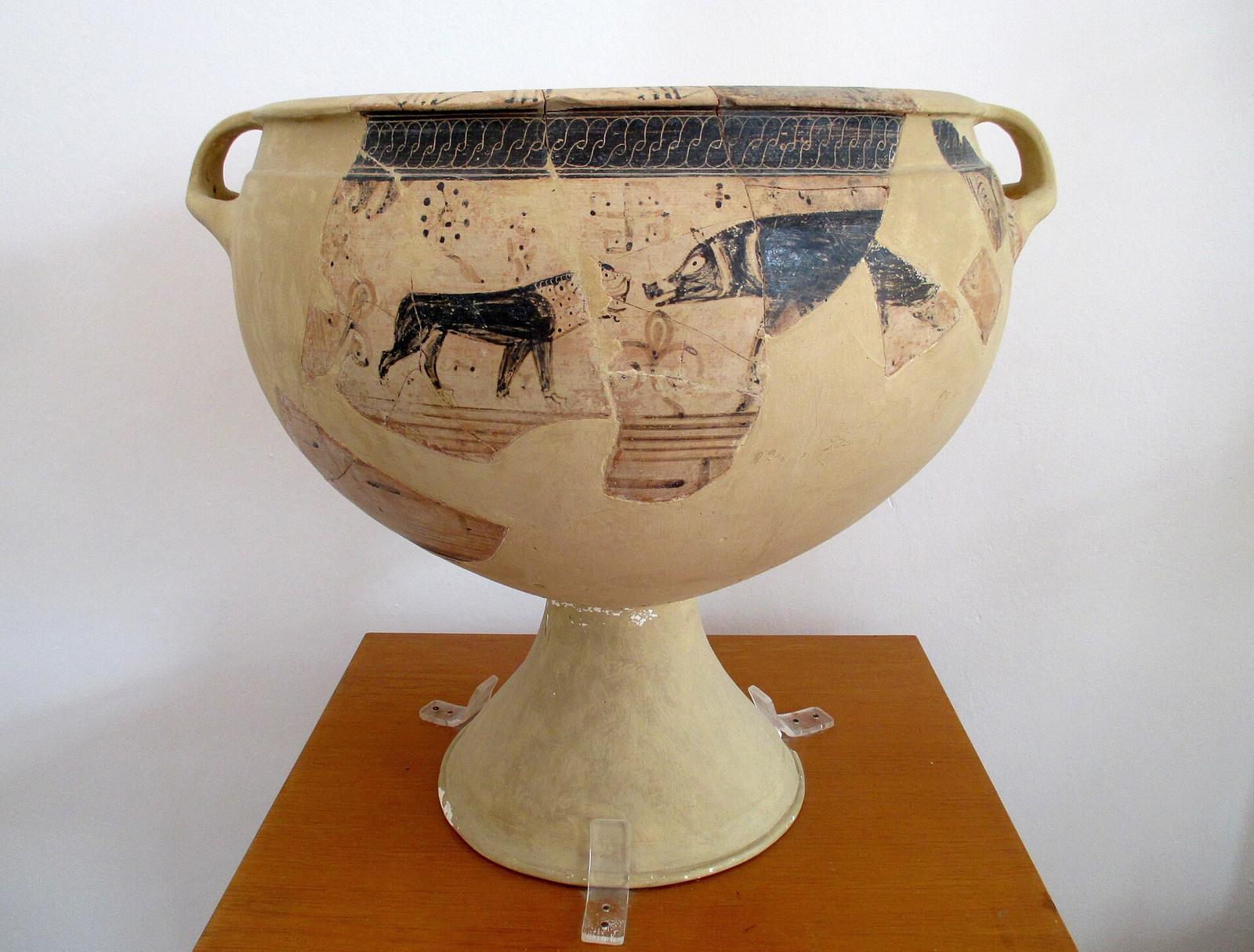
- 5Ancient Samos in the museum: The archaeological museum in Vathy tells the story of the ancient city the tunnel served.
Planning your visit
Booking ahead. Every visit is booked by phone on +30 22730 62813, for a set date and time. The tunnel opens from 08:30 to 15:30, with last entry at 14:40, and is closed on Tuesdays. The two price lists published online do not give the same fares, so confirm the price when you call rather than relying on a figure you found elsewhere.
Which route is running. Three routes exist on paper. Route 1, the full 1,036 m passage, takes up to 10 visitors, lasts about an hour and runs one way to the spring and cistern at Agiades. The shorter 424 m route 2 is temporarily closed because its floor is slippery, and route 3 is out of service on the conservators' advice, to protect the monument.
Reaching the south entrance. The entrance lies about 2 km north of Pythagoreio and can be reached by car or on foot, which makes it an easy addition to a morning in Pythagoreio. The tunnel runs 55 m above sea level and 180 m below the top of the mountain, so the whole visit happens deep inside the rock rather than on a hillside path.
Getting back from Agiades. Because route 1 is one-way, you come out at the north end, in the countryside at Agiades. There is no road to the exit itself, only a dirt path of about 20 minutes, and no public transport or services there. Arrange for a car or taxi to wait, or allow about 45 minutes to walk back to Pythagoreio on a country path.
Conditions inside. The air stays at 16.5 to 16.7 °C with 85 to 97% humidity, whatever the weather outside. The floor is rocky, uneven and wet or slippery in places, and water drips from the ceiling here and there. Bring sturdy shoes and a light layer: on a hot summer day, the drop in temperature at the entrance is striking.
Who should think twice. Heights inside drop to 1.50 m in places, and a 197 m stretch of the northern section is only 0.42 to 0.60 m wide. The Ministry of Culture strongly advises against entry for claustrophobia, panic attacks, heart, breathing, back or spine problems or walking difficulties, and there is no access for people with reduced mobility.
What Herodotus saw. Herodotus counted the tunnel among the three greatest works of the Samians, alongside the Temple of Hera and the harbour mole. He described a passage nearly a mile long and eight feet high and wide, cut right through the base of a hill, with a second channel dug along its whole length to bring water from an abundant spring to the city through pipes.
Free days and photography. Entry is free on 6 March, 18 April, 18 May, the last weekend of September and national holidays; booking by phone still applies on those days. Professional photography and filming are not allowed without special permission from the Greek Ministry of Culture and Sports.
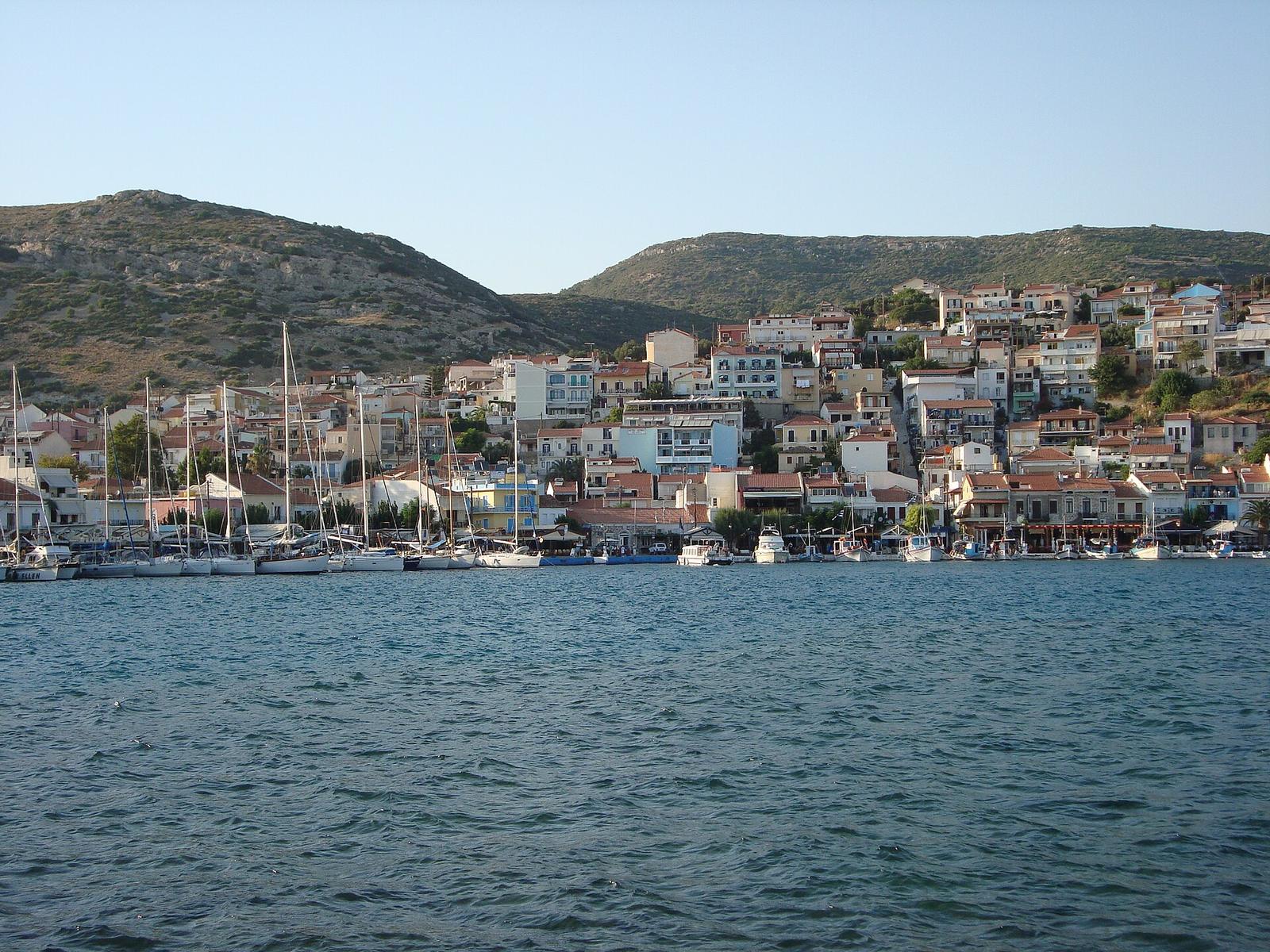
Making a day of it. The Heraion lies about 6 km south-west of the ancient city, so the tunnel, the sanctuary and Pythagoreio's harbour fit into one day. Pythagoreio also has its own archaeological museum, opened in 2010, with finds from the ancient city such as the seated statue of Aiakes, father of Polycrates. For a swim afterwards, Psili Ammos is a sandy beach a short drive away.
On foot through ancient Samos. A marked 8 km route from Pythagoreio through ancient Samos takes about 4 hours and is graded 2 out of 5. Above the tunnel, the ridge of Kastri hill still carries sections of the city walls rebuilt around 300 BC, the most impressive stretch of the ancient fortifications that survives today.
Tours to the Eupalinos Tunnel
No tunnel-specific tour is confirmed yet. Most visitors drive or taxi up from Pythagoreio. Browse every verified Samos tour for organised options.
See all Samos tours & tickets →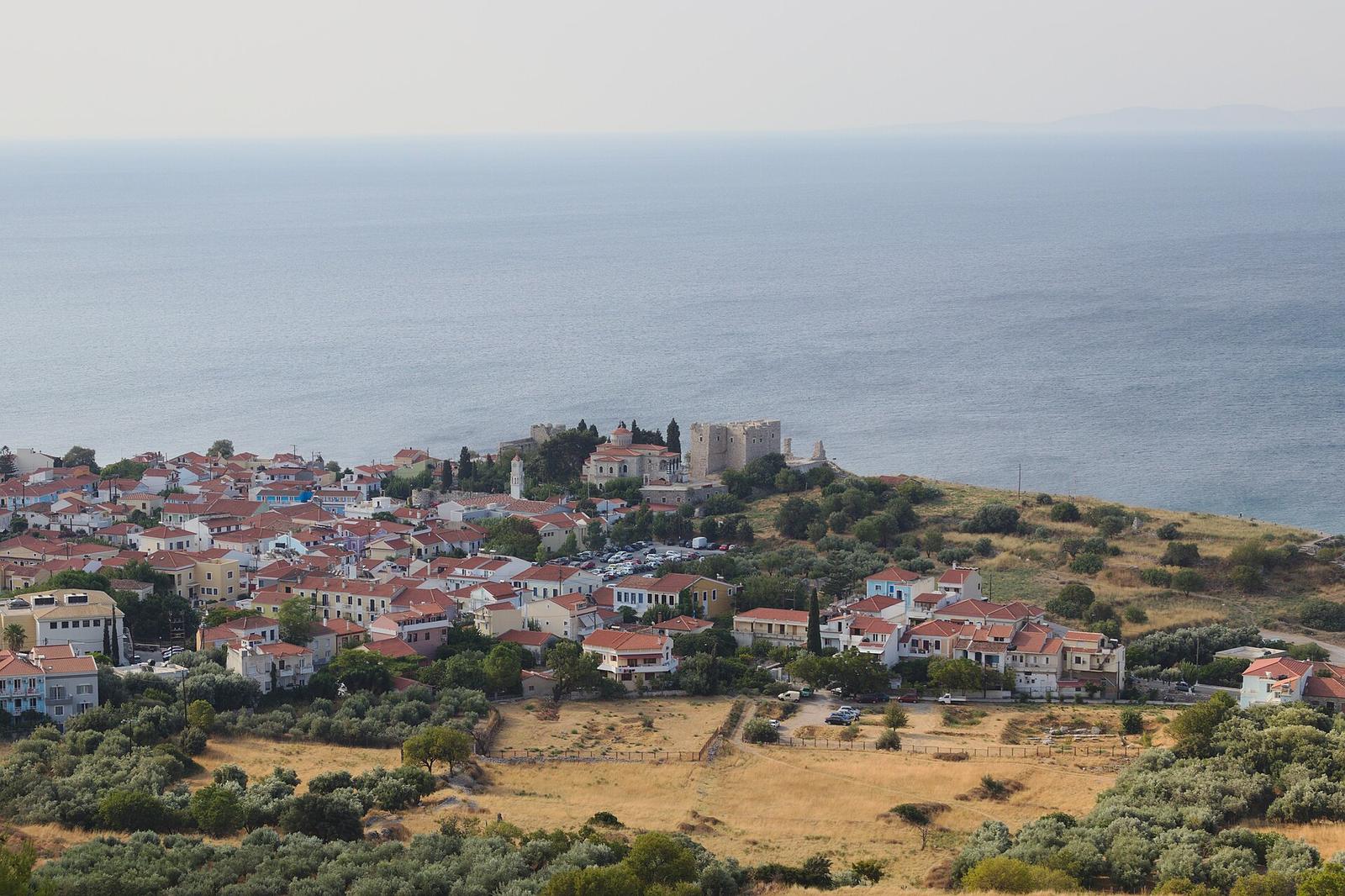
Frequently asked questions
Yes, on a booked visit. Of the three routes, only the full one-way route through the 1,036 m tunnel (maximum 10 visitors) is running; a shorter route is closed, its floor slippery in places, and the third is out of service to protect the monument. Book by phone on +30 22730 62813. Open 08:30 to 15:30, last entry 14:40, closed Tuesdays.
Explore PythagoreioIt was the second tunnel in history to be dug from both ends, and the first laid out with geometry; Herodotus ranked it among the Samians' three greatest works.
Read the full Samos travel guideThe Heraion and Pythagoreio's harbour and castle are a short drive away, so all three fit into one day.
Add the Heraion of SamosPractical details (opening times, prices) change. Verify before you go. Last updated September 2026.