Samos Dry Season vs Rainy Season: The Real Difference
Samos has a classic Mediterranean pattern: a long, reliably dry summer and a wetter but still mild winter. Here's what that means in practice.

Summarize this article with:
Samos doesn't have a 'rainy season' in the tropical sense: it has a dry half of the year and a wetter, cooler half. Understanding the difference matters more for planning outdoor days than for choosing whether to go at all.
The dry season runs from June to September, with July and August seeing close to no rain at all. May and October are mostly dry too. This is the reliable window for beach days, hiking and boat trips without weather risk.
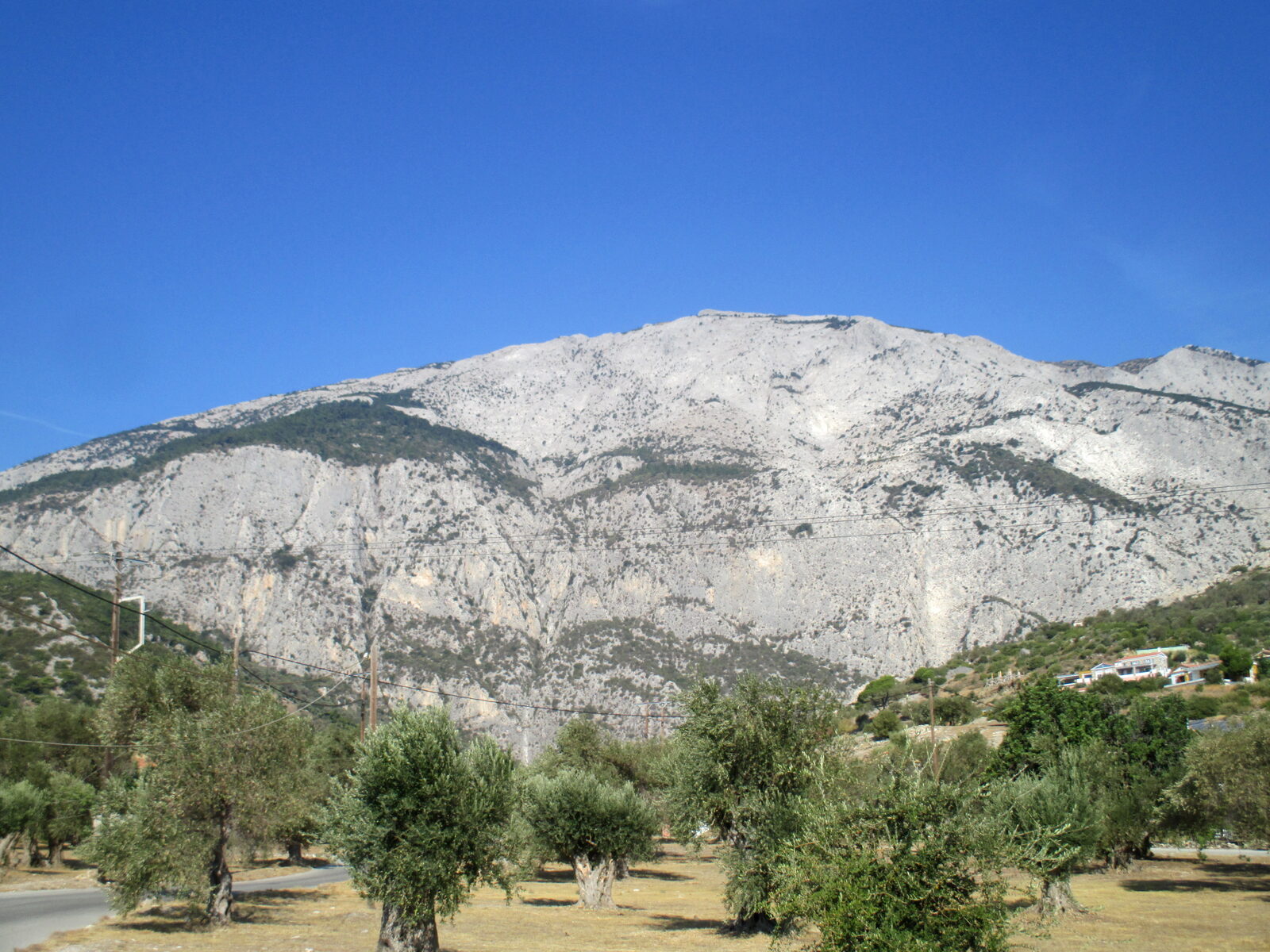
The wetter season runs roughly November to March, with rain more frequent, and more pronounced in the mountains around Mount Kerkis than on the coast. It's rarely a constant downpour: expect a mix of rain showers and mild, clear days rather than continuous bad weather.
How it affects a trip: outside the May-October window, plan flexibility into outdoor days (hiking, boat trips) rather than fixed single-attempt plans, and don't expect guaranteed beach weather. Indoor and cultural options (the UNESCO sites, the archaeological museum, wine tasting) are far less weather-dependent.
Shoulder months (April, May, October) sit in between: mostly dry with a real chance of a rain day, especially in April and later in October. See our month-specific guides for the detail.
The contrast in numbers. From June to September, the airport records between 0.5 mm and 16.0 mm of rain a month, on two days or fewer. December alone brings 156.8 mm over about 14 rain days. This is not a monsoon. It is a clear switch between a very dry summer and a wet, mild winter.
Temperatures follow the same split. Summer afternoons average 30.1 to 33.0 °C in June, July and August, with nights above 19 °C. In the wet season, afternoons sit between 13.5 and 18.4 °C and nights fall to around 7 °C in January and February. Pack for heat in summer, and for rain and cool evenings in winter.
The sea lags behind the air. It reaches about 24 °C in August and still holds about 21 °C in October, after the rains have started. In winter it drops to about 16 °C. Sunshine follows the rain pattern: around 12 hours a day in July, about 3.5 in January. Autumn swims stay possible; winter ones are brief.
When the switch happens. The change is gradual at both ends of the year. Rain comes back in October, with about 5 wet days on average, then jumps in November, when the island enters its wet half. In spring the curve runs the other way: about 7 rain days in April, 4 in May, and almost none from June.
What a wet day really looks like. Winter rain tends to arrive in spells lasting a few days, separated by bright and mild weather, rather than as a steady daily drizzle. The figures above come from a coastal station, and the interior is wetter: the slopes of Kerkis and Ampelos catch more rain, so a trail can be muddy while the seafront is dry.
What stays open in the wet half. From roughly November to March many hotels, tavernas and tour operators close, and the island is quiet outside Vathy and Karlovasi. The towns keep working: shops, banks, pharmacies and the health centres follow their normal year-round hours. The Piraeus ferry from Karlovasi also runs all year, with 3 to 7 sailings a week.
What belongs to the dry half. The daily Kusadasi crossings to the Turkish coast run from 1 April to 31 October only, so a day trip to Ephesus has to fit inside that window. Several direct flights from northern Europe are seasonal as well, and in winter you usually connect via Athens. Round-the-island boat trips also need enough bookings to sail.
Who gains from the dry season. Beach holidays, boat days and any trip built around swimming belong between June and September, when rain is close to absent and the sea stays above 21 °C. The trade-off is heat and wind: the summer meltemi averages 17 to 18 km/h in July and August and stirs up beaches exposed to the north and west.
Who gains from the wet season. Walkers who like cool air, birdwatchers and anyone who wants the island almost to themselves. The Alyki wetland behind Psili Ammos holds water from about November to April and draws wintering birds, while the hills turn green again. The price is fewer services, shorter days and outdoor plans that must stay movable.
What it means for the sea. Summer is the warm-water season, but on windy afternoons the north coast can be rough, and sheltered bays on the south coast become the better choice. From December the water sits around 16 °C, so swimming shrinks to brief dips on sunny days. Organised boat excursions largely stop once operators close for the winter.
What it means for hiking. Dry does not mean ideal for walking. From June to August exposed slopes are hot by mid-morning, and wildfire risk runs from April to October, so no fires anywhere on the trails. Winter brings cool air and green hills but slippery paths and early dusk. Spring and autumn give the best balance between the two.
How to plan around it. In the dry season, fix dates freely and keep the middle of the day for shade. In the shoulder months, leave one flexible day per week for the outing that matters most. In the wet season, confirm that your accommodation and any taverna you are counting on are open, and treat every outdoor day as weather-dependent.
Frequently asked questions
Very rarely. July and August are close to completely dry, making the summer months the reliable window for outdoor plans.
See the full month-by-month guideRoughly November to February, with rain more frequent and heavier in the mountains than on the coast. It's still not a constant downpour: expect a mix of rain and mild, clear days.
See what the off-season is really likeEarly October is usually still dry; the chance of rain increases through the month. It's not a reason to avoid October, but it's worth keeping outdoor plans flexible in the second half.
See the full October guideAugust, with 0.5 mm of rain and about 0.1 rain days on average; July is almost identical. Outdoor plans in midsummer rarely need a backup. Heat and wind are the constraints instead.
See the full month-by-month guideNo. Samos has a Mediterranean climate: a very dry summer and a wet, mild winter. December, the wettest month, averages 156.8 mm, spread over about 14 days rather than daily downpours.
See what the off-season is really likeSometimes. April averages 40.2 mm over about 7 rain days, so a wet day or two in a week is normal. By May, rain drops to 19.8 mm over about 4 days.
See the full May guideReady to book?
Browse top-rated Samos tours and activities, checked and rated 4.5 stars or above.
Sponsored link: we may earn a commission if you book, at no extra cost to you.
Ready to go?
Pick a Samos day out and book it in a few taps
Live prices and free cancellation on most tours, confirmed instantly.
Opens our booking partner in a new tab. Prices and availability are shown live there.