Samos Wine and Muscat: What to Know Before You Taste
Samos has been growing muscat grapes on terraced hillsides for over 2,600 years. Here's what to actually expect from a tasting.
Summarize this article with:
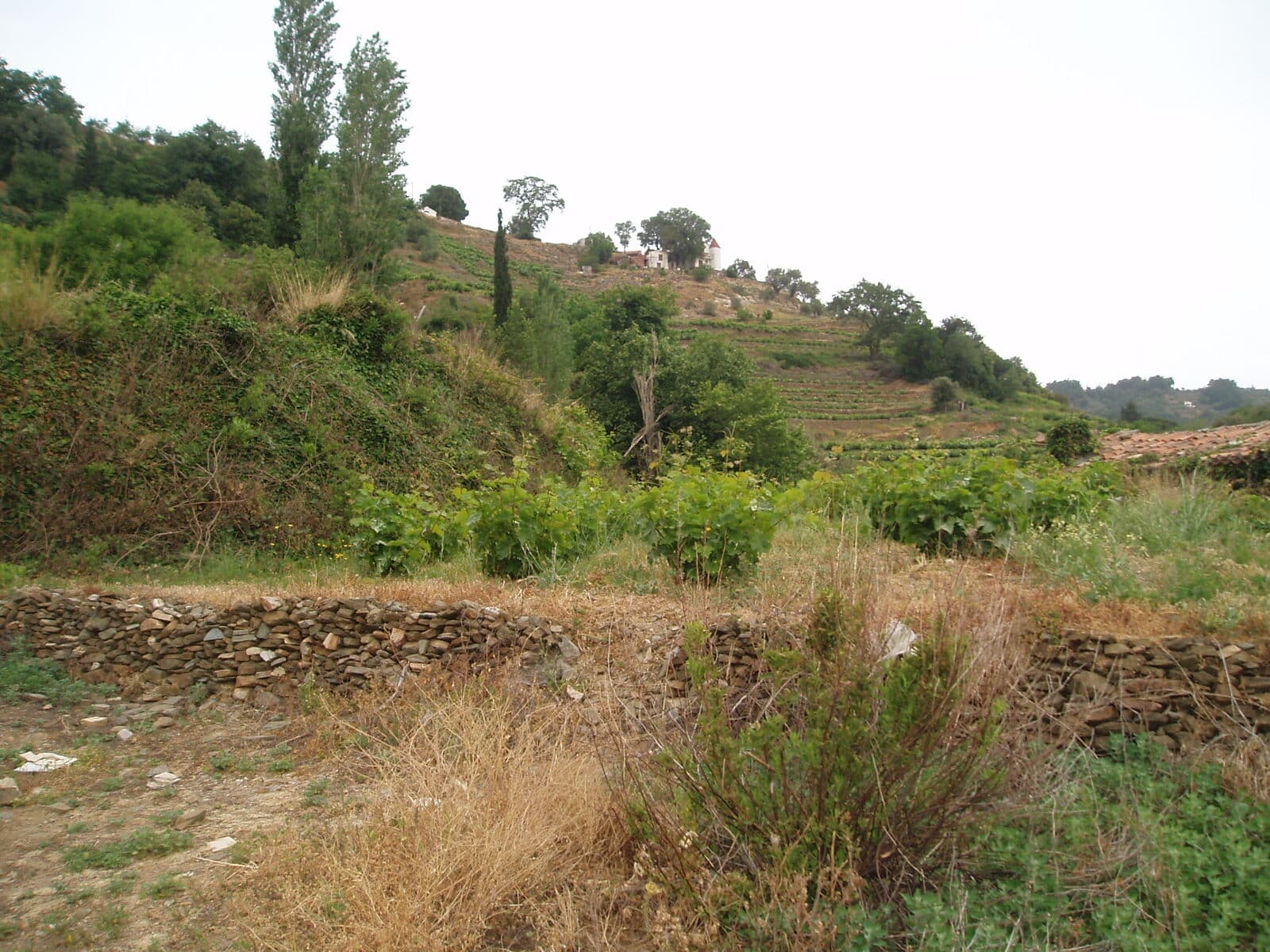
Samos muscat isn't a dessert-only novelty; it's the island's real agricultural identity. Terraced vineyards climb the slopes above Karlovasi and the north coast, and the Samos co-operative (EOSS) has controlled most of the island's wine production for decades, which is unusual in Greece and part of why quality is consistently high.
The grape is Muscat Blanc à Petits Grains, grown on steep, often terraced hillsides between roughly 250 and 850 metres. The altitude and poor, well-drained soil are what give Samos muscat its concentration: lower-yield vines, more intense grapes.
Not every Samos muscat is sweet. The best-known export style is a fortified or naturally sweet dessert wine (Vin Doux, Grand Cru, Nectar), but the co-operative and smaller producers also make a dry white muscat, which is far less sweet and works well with grilled fish or as an aperitif. If a taverna offers 'the local wine' by the glass, ask which style before you commit to a bottle.
Where to taste it: several small wineries around Karlovasi and the west coast run tastings, usually by appointment, and the EOSS cooperative's main facility near Malagari has a shop and tasting room open to visitors without a booking. A guided wine tasting tour is the easiest way to try several styles side by side without arranging appointments yourself.
Buying a bottle: the sweet dessert styles travel well and make a genuine souvenir (they're less common outside Greece than the more famous Santorini whites). Check the label for the 'Samos' Protected Designation of Origin (PDO) mark, which guarantees the grapes were grown on the island under the appellation's rules.
Frequently asked questions
No. The famous export styles (Vin Doux, Grand Cru, Nectar) are sweet, but dry white muscat is also made on the island and is far less sweet, closer to a crisp aromatic white.
Read the full Samos travel guideSeveral small wineries around Karlovasi run tastings, and the EOSS cooperative near Malagari has a shop and tasting room open without a booking. A guided tour is the simplest way to visit more than one in a day.
Compare Samos wine tasting toursNo, they're different grapes and styles. Santorini is best known for Assyrtiko, a dry, mineral white grown in volcanic soil. Samos is built around Muscat Blanc à Petits Grains, mostly associated with the island's sweet dessert wines.
Compare Samos to other Greek islandsReady to book?
Browse top-rated Samos tours and activities, checked and rated 4.5 stars or above.
Sponsored link: we may earn a commission if you book, at no extra cost to you.
€5 free + 5% cashback
Join Igraal, then get cashback on every GetYourGuide booking above.