By the Samos-Island.com editorial team · · How we work
Short answer
There is no dedicated, bookable birdwatching tour of Samos on GetYourGuide, so this is mostly self-guided. The most productive sites are the Aidonia Valley near Manolates, the wetlands around Potokaki and the Heraion, and Mount Kerkis for raptors, best visited during the spring (March-May) and autumn (August-October) migration.
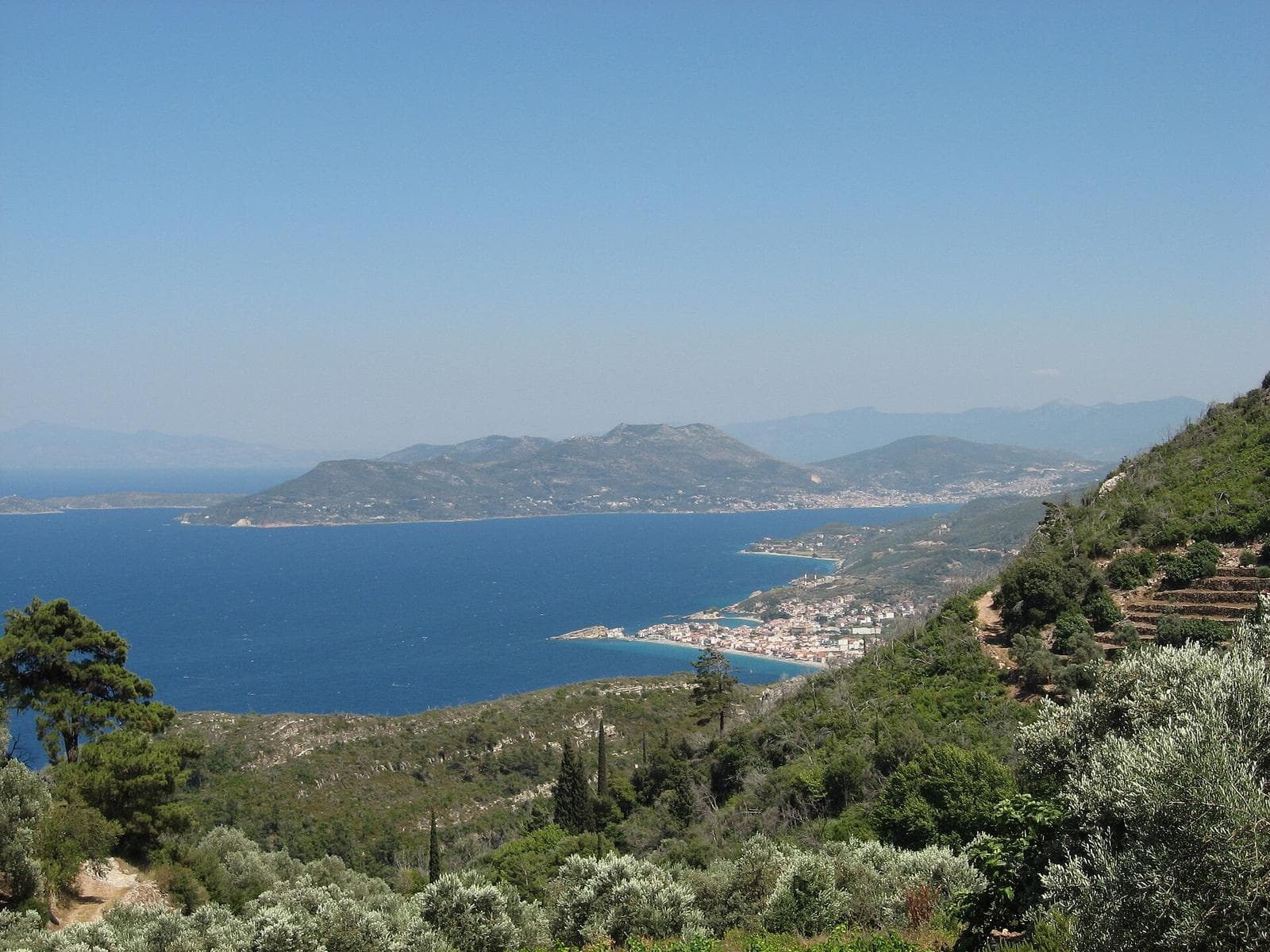
Samos sits on a migration route between Europe and Africa, and its mix of mountain, wetland and coastline habitat gives it more variety than a small Aegean island usually offers. That said, this is a niche activity here: there is no visitor centre, no hides and, as far as we can find, no bookable guided birdwatching tour on GetYourGuide for Samos specifically.
This page names the specific sites worth building a day around, separate from our broader guide to the species you'll see. If you'd rather have the island's varied landscapes shown to you by a guide, the general full-day tours listed at the end cover much of the same ground, even though they aren't marketed as birdwatching trips.
Summarize this article with:
The best sites to know about
The Aidonia (Nightingale) Valley: a wooded trail along the Platanakia river linking the coastal village of Agios Konstantinos to the mountain village of Vourliotes, in the same hills as Manolates. Its plane-tree canopy is known locally for its birdsong, especially nightingales from April to June.
The wetlands around Potokaki and the Heraion: the stretch of coastal wetland near the Heraion of Samos, on the south coast, attracts herons, egrets and migratory waders, particularly during spring and autumn passage.
Mount Kerkis and the forested interior: the island's highest peak and its upland forest are the place to look for raptors, commonly buzzards and kestrels, along with woodland species in the pine and oak forest around the higher trails. See our Mount Kerkis guide for access.
The rocky coastline near Votsalakia: the quieter west coast is worth scanning for gulls and, with patience, seabirds offshore.
When to go
Spring (roughly March to May) and autumn (roughly August to October) are the migration windows, when the widest range of species passes through on the way between Europe and Africa. Outside those months you'll still see resident species, particularly raptors around Kerkis, but the variety drops.
Planning a self-guided day
- Bring your own binoculars: Samos has no equipment rental set up for this
- A rental car makes a real difference, since the sites above are spread across the island and public transport between them is limited
- Early morning is the most active time, as on most islands
- Wear sturdy shoes for the Aidonia Valley and Kerkis trails; both involve uneven, unpaved paths
- None of the wetland sites have formal hides or facilities, so keep a respectful distance and avoid disturbing nesting birds in spring
If you'd rather go with a guide
We haven't found a Samos tour marketed specifically as birdwatching. If you'd like a guided day that covers similar ground, the general full-day island bus tours pass through mountain villages and coastal areas, and a private boat trip along the coast can put you near seabird colonies, though neither is curated around bird sightings. Check the current description on the tour's own page before booking if this matters to your trip.
Frequently asked questions
Not one we could find listed specifically as a birdwatching tour on GetYourGuide. Birdwatching on Samos is mostly self-guided, using the sites on this page.
The Aidonia Valley near Manolates for songbirds, the wetlands near Potokaki and the Heraion for herons and waders, and Mount Kerkis for raptors.
Spring (March-May) and autumn (August-October), when migratory species pass through between Europe and Africa.
Sources and further reading
Keep planning
Samos travel guide
Money, safety, food and what to pack
Best time to visit
Month-by-month weather and crowds
Getting there
Flights, ferries and entry rules
Not sure how to fit it all in? Plan my trip →